
Browse Business Software Categories
Articles on Artificial Intelligence (AI)
AI in CRM Software: How Artificial Intelligence Is Changing the Way Companies Manage Customers
Posted January 29, 2026 by Nathan Rowan
Why Traditional CRM No Longer Matches How Customers Buy CRM systems were originally designed to store contacts, track deals, and […] Read More

Choosing AI-Powered ERP Software: A Buyer’s Guide for the Next Generation of ERP
Posted January 27, 2026 by Nathan Rowan
Why Buying AI ERP Is Different From Buying Traditional ERP ERP selection has always been a high-stakes decision, but AI […] Read More
AI ERP Integration Strategy: Connecting Intelligent ERP With the Broader Business Software Stack
Posted January 27, 2026 by Nathan Rowan
Why AI ERP Loses Value When It Operates in Isolation AI-powered ERP systems deliver significant value on their own, but […] Read More

AI-Powered ERP Automation: From Rules-Based Workflows to Intelligent Processes
Posted January 27, 2026 by Nathan Rowan
Why Rules-Based ERP Automation Breaks Down Traditional ERP automation relies on static rules and predefined thresholds. While effective for simple […] Read More

AI ERP for Compliance, Risk, and Continuous Controls Monitoring: Moving Beyond Periodic Audits
Posted January 27, 2026 by Nathan Rowan
Why Traditional Compliance Models No Longer Scale As transaction volumes grow and regulations become more complex, traditional compliance approaches struggle […] Read More

AI ERP Analytics and Decision Intelligence: Turning ERP Data Into Real-Time Business Guidance
Posted January 27, 2026 by Nathan Rowan
Why ERP Reporting Alone Isn’t Enough ERP systems capture comprehensive transactional data, but traditional reports often arrive too late to […] Read More
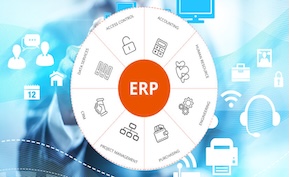
AI-Powered ERP for Manufacturing and Predictive Maintenance: Reducing Downtime Before It Happens
Posted January 27, 2026 by Nathan Rowan
Why Traditional ERP Can’t Prevent Manufacturing Downtime Manufacturing ERP systems excel at tracking work orders, inventory, and costs—but they are […] Read More

AI ERP for Supply Chain and Inventory Optimization: Predicting Demand and Preventing Disruptions
Posted January 27, 2026 by Nathan Rowan
Why Traditional ERP Struggles With Supply Chain Volatility ERP systems excel at recording inventory movements but often fail to anticipate […] Read More

AI-Driven ERP for Finance: Automating Close, Controls, and Cash Forecasting
Posted January 27, 2026 by Nathan Rowan
Why Finance Teams Struggle to Scale With Traditional ERP ERP systems have long centralized financial transactions, but finance teams still […] Read More

AI in ERP Forecasting and Planning: Why Static Models Fail in Modern Enterprises
Posted January 27, 2026 by Nathan Rowan
Why ERP Forecasting Has Traditionally Been Inaccurate Traditional ERP forecasting relies on historical averages and manual adjustments. While adequate in […] Read More