
CRM
CRM + PRM for Partner-Led Growth: How to Build a Channel Engine Without Losing Pipeline Control

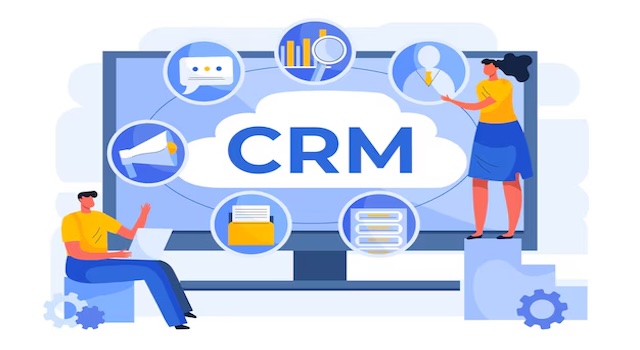
Partner-led growth is back. As direct acquisition costs rise, more B2B companies are leaning on resellers, referral partners, agencies, and technology alliances. The problem: partner pipelines often live outside your CRM, creating blind spots, channel conflict, and unreliable forecasting. The fix isn’t “more spreadsheets.” It’s tighter CRM + PRM alignment that treats partner-sourced revenue like a first-class motion.
What PRM adds that CRM alone doesn’t
CRMs are built for direct sales. PRM (Partner Relationship Management) adds partner-specific workflows:
- Deal registration and conflict rules
- Partner tiers, certifications, and enablement tracking
- MDF/co-marketing requests and approvals
- Partner portals for pipeline visibility
- Attribution for partner-sourced vs partner-influenced revenue
High-traffic partner + CRM questions buyers search for
- “How to track partner referrals in CRM”
- “How to prevent channel conflict”
- “Partner deal registration best practices”
- “How to attribute partner influenced pipeline”
Deal registration workflow that doesn’t create channel warfare
Good deal registration balances speed and fairness:
- Partners submit: account, contact, deal size estimate, timeline, notes
- System checks: existing open opportunities, active account owners, duplicates
- Decision rules: approve, approve with shared credit, or reject with rationale
- Auto-expiration for inactive registrations (prevents “claim squatting”)
How to model partner relationships inside CRM
Many teams hack this with custom fields. A cleaner approach is to model:
- Partner as its own account type
- Partner users/contacts tied to the partner account
- Partner-sourced opportunities with a required “Partner” reference
- Partner role on deals (sourced, influenced, implementation, referral)
Forecasting partner pipeline without inflating numbers
Partner pipelines can create double counting. Fix it with rules:
- One canonical opportunity record per deal
- Partner attribution fields, not duplicate opportunities
- Clear stage definitions for partner-submitted deals
- Validation rules: no “commit” without required fields
Enablement that actually changes partner behavior
Partner portals fail when they’re just document dumps. Add CRM-linked enablement:
- Stage-based playbooks partners can follow
- Templates for discovery questions and proof points
- Certification gates tied to deal size eligibility
- Co-selling workflows: partner + AE + SE collaboration
Bottom line
Partner-led growth only scales when partner pipeline becomes visible, governed, and forecastable inside your CRM. Align CRM + PRM around a single opportunity record, enforce fair deal registration rules, and treat partner attribution like a real revenue motion—not a side spreadsheet.

- Top Expert
Nathan Rowan
Program Research, Editor, Expert in ERP, Cloud, Financial Automation